



Scientific and applied peer-reviewed journal
Aim of the journal “GEOGRAPHY, ENVIRONMENT, SUSTAINABILITY” is to illuminate geographical and related interdisciplinary scientific fields, new approaches and methods along with a wide range of their practical applications. This goal covers a broad spectrum of scientific research areas and also considers contemporary and widely used research methods, such as geoinformatics, cartography, remote sensing, geophysics, geochemistry, etc.
In the areas of “GEOGRAPHY, ENVIRONMENT, and SUSTAINABILITY” a new challenge to structure accumulated knowledge, to describe inner relations, and to form spheres of influence between different disciplines has emerged. The scope of the GES is to publish original and innovative papers that will substantially improve, in a theoretical, conceptual or empirical way the quality of research, learning, teaching and applying geography, as well as in promoting the significance of geography as a discipline.
The main sections of the journal are the theory of geography and ecology, the theory of sustainable development, use of natural resources, natural resources assessment, global and regional changes of environment and climate, social-economical geography, ecological regional planning, sustainable regional development, applied aspects of geography and ecology, geoinformatics and ecological cartography, ecological problems of oil and gas sector, nature conservations, health and environment, and education for sustainable development.
Articles are freely available to both subscribers and the wider public with permitted reuse. The printed version contains color figures . Color reproduction in print is free of charge of all accepted articles. Journal publishes 4 issues per year, each issue 120–150 pages long. Manuscripts are submitted and peer-reviewed in an on-line mode.
Current issue
RESEARCH PAPER

This study identifies the main factors and trends in green economy development across the Gulf and Levant countries and examines their spatial patterns. The environmentally significant processes observed in these countries suggest the possible, though not predetermined, onset of a long-term transition toward more sustainable economies. However, it remains too early to conclude that a genuine transition toward decarbonization is underway. The Gulf and Levant region has long been, and is likely to remain, an important supplier of fossil fuels to the global economy, particularly oil and natural gas. This paper examines the drivers of renewable-energy adoption in the region and identifies two groups of countries with different motivations for this transition, helping to explain this apparent paradox. The study draws on approaches at the intersection of human geography and geoecology, statistical-data visualization, retrospective analysis, and comparative geographical analysis. The studied region presents a wide range of multidirectional trends in the context of agreements to combat global climate change and the implementation of a green economy in various areas. The renewable energy sector is developing dynamically in the Gulf and Levant states. Local countries can be divided into two main groups. The first group includes wealthy countries for which renewable energy is a matter of prestige and an attempt to join the global green agenda. The second group includes poor countries for which renewable energy is a matter of energy security due to the lack of hydrocarbons and other energy resources. The Gulf and Levant states have the potential to develop green and blue hydrogen production on an industrial scale and turn the region into one of the major hydrogen-production hubs. The UAE is the regional leader in expanding green and blue hydrogen production capacity. One of the important components of the modern environmental and economic strategy of the Gulf and Levant countries is attracting foreign direct investment (FDI) into this sector.

The task of precise Land Use/Land Cover (LULC) mapping in mountainous areas is a significant challenge due to the complexity of the terrain and spectral confusion. High-resolution global products like Esri’s 10-m LULC maps present valuable opportunities, yet their performance in these contexts remains underexplored. This study aims to fill this gap by evaluating and improving the precision of Esri 10-m LULC datasets (2017 and 2021) in the mountainous areas of Morocco. The results of this study are of practical significance for more accurate land use monitoring. To maximize map coherence, we used stratified random sampling and high-resolution Google Earth imagery to assess classification accuracy, then refined the classification. The results revealed a wide range of classification accuracy for mountainous units (OA ranges between 69.3% and 93.4%), and the misclassification of the “Built Area” class was also found. Particularly in more diverse landscapes, the calibration steps significantly improved accuracy and visual coherence. Analysis of Esri’s 10-m LULC maps further showed substantial LULC changes, including losses of forests, water bodies and expansion of rangelands and built-up areas. In light of the observed limitations, especially in detecting fine-scale anthropogenic features, we propose the integration of artificial intelligence tools—alongside remote sensing data and field verification—as a promising approach to improve the detection and delineation of critical land features, thereby reinforcing the reliability of LULC products in complex mountainous terrains.

The rapid expansion of artificial light at night (ALAN) across India is increasingly transforming nocturnal environments with significant ecological consequences. This study investigates the rural–urban gradient of light pollution and its ecological implications by analyzing the spatial distribution and intensity of nighttime illumination across selected urban and rural regions of India. Nighttime radiance data derived from the Visible Infrared Imaging Radiometer Suite (VIIRS) for 2024 were integrated with ground-based observations using a Sky Quality Meter (SQM) to evaluate variations in sky brightness and nocturnal light exposure. The analysis focused on major metropolitan centers including Delhi, Mumbai, Hyderabad, Chennai, and Bengaluru, alongside ecologically sensitive rural landscapes such as the Great Himalayan National Park, parts of Odisha, Arunachal Pradesh, and Rajasthan. Spatial analysis was conducted using Geographic Information Systems (GIS), while ecological impacts were assessed through scientific literature review and selected field observations in biodiversity-sensitive environments. The findings reveal a pronounced rural–urban gradient in ALAN intensity, with urban regions exhibiting substantially higher radiance levels that frequently exceed ecological thresholds known to disrupt nocturnal biodiversity. Although rural areas continue to maintain comparatively darker skies, many are increasingly experiencing light intrusion associated with electrification, tourism, infrastructural development, and peri-urban expansion. The study identifies multiple ecological consequences linked to increasing ALAN exposure, including altered behavioral responses in birds and insects, disruption of circadian rhythms, habitat fragmentation, and degradation of nocturnal ecosystem functioning. The results emphasize the urgent need to integrate light pollution assessment and mitigation into India’s environmental governance, urban planning, and biodiversity conservation frameworks. This study contributes to the growing discourse on ALAN as an emerging environmental stressor in rapidly urbanizing regions and highlights the importance of conserving natural darkness for long-term ecological sustainability.

Mangrove ecosystems play a crucial role in climate change mitigation through their exceptional capacity for carbon storage, yet their distribution in Indonesia—the country with the second-longest coastline in the world—remains underutilized for large-scale restoration and management. Despite being home to around 25% of the world’s mangrove forests, many coastal areas have lost their mangrove cover due to massive degradation and conversion. This study aims to map mangrove habitat suitability across Indonesia and to provide a predictive framework for restoration planning. This study integrated multi-source remote sensing and socio-environmental datasets—including temperature, precipitation, elevation, slope, tidal, land cover, nighttime light, and population density—into a Random Forest classification model, using Global Mangrove Watch 2020 data as the source of training labels. Model performance was evaluated using confusion matrixbased metrics. The Random Forest model achieved a robust result of classification, with an overall accuracy and a kappa coefficient of 97.81% and 0.96, respectively. The model identified approximately 10.09 million hectares of coastal zones as suitable for mangrove growth, a spatial extent three times larger than the existing mangrove cover. These results emphasize the opportunity in Indonesia to scale up mangrove restoration, contribute to national climate targets, and enhance coastal resilience.

The annual and intraseasonal variability of near-ground daytime mixing ratios of gaseous pollutants (O3 , NO, NO2 , CO, and benzene) and aerosols (PM10 and PM2.5 ) measured at the A.M. Obukhov Institute of Atmospheric Physics of the Russian Academy of Sciences observation site in the center of Moscow in 2018–2023 is analyzed. The primary gas species (NO, NO2 , CO, and benzene) and PM2.5 show a unimodal seasonal cycle with a maximum in winter and a minimum in summer months, reflecting a combined influence of extratropical tropospheric features and local meteorology. A distinct summertime ozone maximum provides evidence for the strong input from its photochemical source, which is presumably attributed to the upper part of the urban mixing layer. The relative contribution of Moscow emissions to the observed pollutant levels during the cold (warm) season is estimated to be approximately 56% (42%) for CO and 64% (67%) for NOx, 70% (59%) for PM2.5 , and 78% (77%) for PM10 , with the remaining part beingdue to advection of chemically aged air from upwind pollutant sources on a wide range of spatial scales. The number of synoptic-scale episodes (N) with the enhanced PM2.5 and CO levels decreases exponentially with episode duration (τ, days) as N(τ) ~ e–λ∙τ where the rate of decrease (λ) is 0.66 (0.83) for the cold (warm) season.

Urbanization leads to multi-component environmental pollution, so it is especially important to conduct a comprehensive screening of transformations of vulnerable Arctic soils. An assessment of urban soil pollution in Novy Urengoy was conducted, providing a detailed geochemical characterization of the study areas. Electron microscopy confirmed the presence of both rock-forming mineral inclusions and heterogeneous solid particles of various origins: ore minerals (sphalerite, galena, cinnabar, cassiterite, argentite, atacamite), finely dispersed silver and gold particles, Cu-Ni-Zn and Fe-Cr-Ti-Mn alloys, titanium plates, and microplastics. The content of petroleum and polycyclic aromatic hydrocarbons (PAHs) is predominantly low, except for several sites near transport infrastructure, where petroleum hydrocarbon content reaches 2200–2400 mg/ kg and the sum of 15 PAHs achieves 84 μg/kg. Natural factors remain the leading drivers of soil chemical composition. Local exceedances of Russian regulatory standards for Zn were detected in transport and residential areas. The Cd-Pb-ZnCu-Ni association indicates pollution derived from motor vehicle emissions. In urban areas, residential development acts as an additional source of Ca-Mn-Co-Sr-Zn compounds. Calculation of the mean effects range median quotient (MERMQ) for contaminated soils revealed low and moderate risk levels. Biotesting using Daphnia magna, Chlorella vulgaris, and Lepidium sativum demonstrated acute toxicity in soils contaminated with PAHs and petroleum hydrocarbons. The integrated landscape total pollution index (LTP), based on the Harrington desirability function, confirmed that motor vehicles are the primary source of urban pollution.
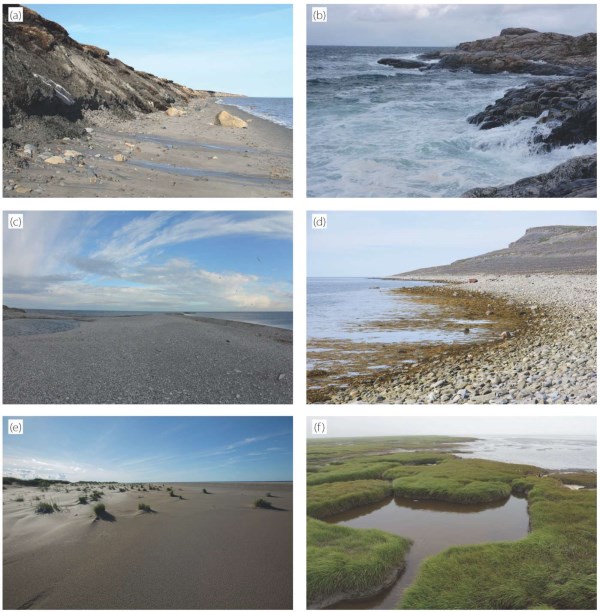
The prospects for the development of offshore fields and the growth in the volume of transportation of petroleum products along the Northern Sea Route inevitably increase the risks of accidental spills in the Barents Sea region. This determines the relevance of research on seashores as the most sensitive to oil pollution and difficult to clean up natural ecosystems. The article presents results of geomorphological classification and segmentation of the coastline of the Russian sector of the Barents Sea with a total length of over 13,900 km and assesses their environmental sensitivity to oil spills using the international Environmental Sensitivity Index (ESI). A comprehensive geomorphological analysis was carried out using data from the authors’ expedition studies, published literature, cartographic and satellite imagery data, and available photographic materials. The assessment of the environmental sensitivity of the coasts to oil spills resulted in the development of special forecast and assessment maps that illustrate the degree of possible oil pollution (pollution safety, difficulty of cleaning) of individual coastal areas, identify areas of priority protection, and are an important part of oil spill prevention and response plans. The developed maps provide a basis for characterizing the regional geomorphological structure of the coast and can be used to predict environmental risks and the activation of hazardous processes associated with the expansion of oil-production and transportation infrastructure.
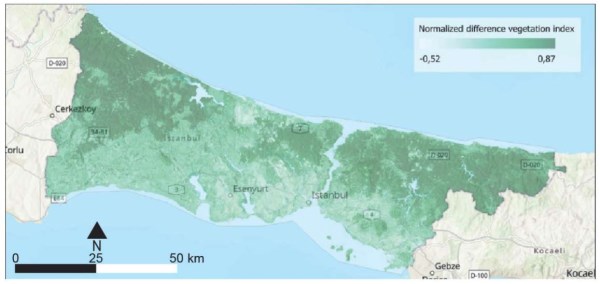
This paper presents a methodology to assess the effects of rising surface temperatures and greening on urban thermal comfort and resilience. Landsat 8 satellite images were collected and analyzed for 80 large urban areas from the C40 network. The Normalized Difference Vegetation Index (NDVI) and Land Surface Temperature (LST) were calculated. Using UN population forecasts, a forecast model for LST and NDVI dynamics was developed. The analysis reveals that population density may be a stronger predictor of urban heat island exposure than climate zone or vegetation cover, with high-density areas showing substantially higher LST values even when vegetation cover is held constant. Based on Köppen climate zones, urban areas are expected to experience diverging temperature futures. The most concerning LST increases are projected for BWh (hot desert), Cfa (humid subtropical), and Dwa (continental with dry winter, hot summer) zones. Cfa and Dwa areas are predicted to become the hottest overall. BWh zones, while less troubled today, will likely see a sharp LST rise, driven by hyper-urbanization and the disproportionate impact of global warming on arid regions. Paradoxically, while BWh areas may see a slight NDVI increase, their warming trend is still expected to continue beyond a temporary dip forecast for Cfa and Dwa zones. This underscores that only decisive policy action can help these vulnerable areas mitigate the negative effects.

This paper presents the results of geomorphological research conducted in the Mussera Upland (Western Abkhazia) in 2024. Based on morphometric analysis and geomorphological survey within the typical river basin (Ryapsh River basin), the topographical features of the upland were described in detail, and radiocarbon dating of alluvial deposits was performed. We found that the Mussera Upland is a typical humid badland with a dissection density of 3–4 km/km². The formation of a low-order fluvial network begins here within a catchment area of approximately 0.01 km². Within the dendritic catchment of the Ryapsh River, erosional slopes of varying steepness cover 94% of the total area, with only about 6% occupied by alluvial terraces in the valley floor (up to 1.5 m and up to 3.0 m above the riverbed). Both of these terraces were formed during the Holocene within the last thousand years: the low alluvial level formed no earlier than 570–670 cal yr BP, and the upper alluvial level in the Ryapsh River valley was formed about 810–960 cal yr BP. The development of the Mussera badland is occurring with the leading role of erosional and slope processes (primarily landslides) under conditions of ongoing tectonic uplift. The forest cover of the area does not prevent slope denudation, but, instead, it often triggers it. The development of the badland is characterized by two opposing trends: over time, the ridges are lowered due to slope denudation; however the depth of dissection does not decrease due to ongoing tectonic uplift and active stream downcutting. In recent decades climate change has increased the frequency of extreme rainfall events, resulting in a noticeable rise in denudation rates.
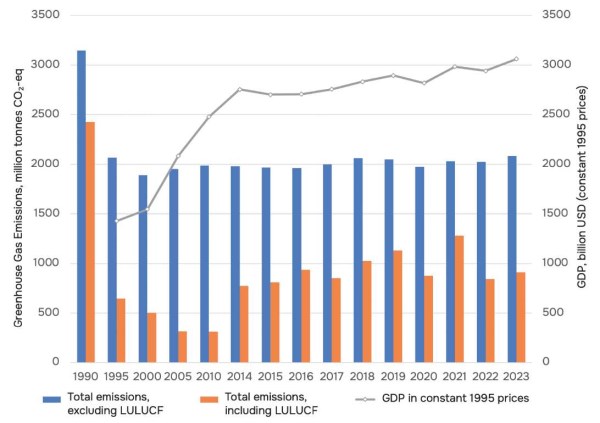
This article analyzes greenhouse gas emission trends in Russian Federation regions from 2017 to 2023, calculated using the author’s methodology. The methodological approach combined a sectoral decomposition of regional changes (identifying the leading driver and assessing the concentration of changes in one or two sectors), measuring structural shifts in the sectoral structure of emissions (the Gatev index), and testing the dynamic factors using a logarithmic change model. The national emission trajectory over the study period was undulating. Emissions declined in 2017–2020 and recovered in 2020–2023, with fuel combustion representing the dominant driver at both stages. However, structural adjustments in most regions were limited, and notable structural shifts were driven by changes in non-fuel sectors, i.e., fugitive emissions from mining, industrial processes, and agriculture. This highlighted the importance of sectoral specialization and local intrasector factors in interpreting regional dynamics. The regression model for the full period 2017–2023 revealed a statistically significant relationship between emission dynamics and changes in economic activity and energy intensity, while for shorter subintervals, the robust relationships are weaker, reflecting the impact of shocks and high sectoral heterogeneity. The analysis also reveals differentiated decoupling patterns between economic growth and greenhouse gas emissions across Russian regions, with 29 regions (approximately 35%) demonstrating absolute decoupling effects. The results demonstrated that the analysis of subnational trajectories requires a combination of aggregated estimates and sectoral interpretation, taking into account differences in emission generation mechanisms when developing low-carbon development policies.
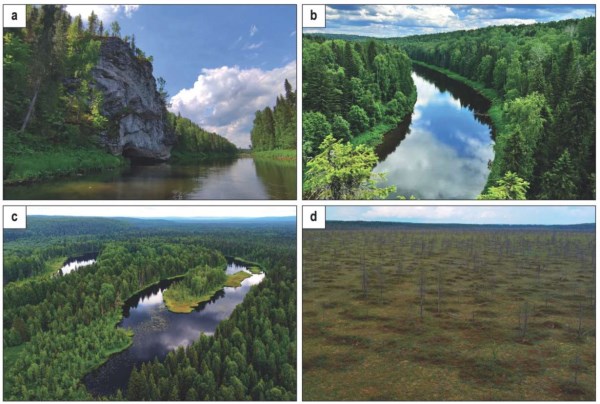
Peripheral natural areas in Russia are being increasingly incorporated into tourism without scientifically grounded methods for assessing their potential, which creates risks and leads to missed economic opportunities for regional development. This study was conducted on the Kolva River in Perm Krai, Russia. We developed and tested a methodology for the integrated assessment of river-based tourism potential in peripheral areas using a combination of expeditionary field methods and GIS tools for tourist route planning. The methodology integrates field hydrological measurements, UAV surveys, campsite assessment based on six criteria, and GIS mapping. Using this approach, we designed a 144-km river expedition route. Thirty-two potential campsites were assessed, and eight were selected, with an average spacing of 25 km. Orthophoto maps were produced for key sections of the route. Twenty rock outcrops were recorded along the river, corresponding to a density of 0.14 units/km. Flood risk at the campsites was assessed using long-term hydrological records from local gauging stations. Hydrochemical analyses of water samples confirmed good water quality, and eight springs had sufficient discharge to supply drinking water along the route. The Kolva River is at the pioneer stage of tourism development, with no infrastructure or signs of recreational impact. The proposed approach to tourist route planning in peripheral areas may be considered broadly applicable to similar settings elsewhere, and the results can support spatial development planning and tourism route design in peripheral regions.

This study examines Olkhon Island, the largest island in Lake Baikal, located within the Pribaikalsky National Park. The research was motivated by growing tourist flows and Russia Tourism Development Strategy through 2035, which includes specially protected natural areas. To assess recreational impacts on soil cover, the authors analyzed visitation statistics, including vehicle and air transport, and described road types and their transformation. Twenty-eight soil samples were collected along an 83 km transect from the Olkhon Island ferry to Cape Khoboy. The ecological and geochemical state was assessed using the concentration coefficient (Kc), Clark concentration coefficient (Kk-), and the total pollution factor (Saet index, Zc). Results showed no critical Zc values (<16). However, after the tourist season (August–October), a statistically significant increase in Zc was recorded at the Buruger checkpoint, Kharantsy, Peschanaya, and Uzury settlements, indicating differentiated transport load distribution in autumn. Geochemical analysis based on Kk values revealed significant transformations for Cu, Ni, Cr, and V, with increasing trends of 0.06–0.51, possibly due to technogenic load or seasonal migration processes. Co and Zn showed stable values with minimal fluctuations (0.02–0.06), indicating geochemical stability. Benzo(a)pyrene monitoring (May–December 2024) showed significant seasonal differences. During peak tourist season (July), concentrations in Khuzhir and Kharantsy nearly doubled the maximum allowable concentration (20 μg/kg). By October, levels decreased 3–20 times. Benzo(a)pyrene inputs are presumably linked to vehicle emissions. The findings suggest localized changes in soil chemistry due to vehicle impacts, with residual anthropogenic influence from the Soviet period.

Understanding the spatial determinants of long-term forest ecosystem sustainability is a prerequisite for designing effective climate adaptation strategies. Long-term provenance trials serve as invaluable in situ laboratories for assessing the adaptive capacity of keystone forest species under novel climatic regimes. This study capitalizes on a unique 66-year-old experiment involving 44 climatic ecotypes of Scots pine (Pinus sylvestris L.) – a foundation species of the Eurasian boreal and temperate forests – in Belarus to quantify, for the first time, the relationship between geographical origin and a composite, multi-criteria ecosystem sustainability rank. A novel ranking system was developed, reinterpreting conventional mensurational metrics – stand survival, structural integrity, and biomass stock – as empirical proxies for adaptive capacity and functional resilience. The analysis revealed a pronounced, non-linear geographical gradient in sustainability. The Bryansk ecotype (Central Russian Upland) achieved the highest composite sustainability rank (1.4), significantly outperforming local populations. Northern and south-eastern ecotypes exhibited critically low adaptive capacity, with several provenances undergoing terminal stand collapse. The local Vitebsk ecotype, possessing the single highest radial growth rate, displayed only intermediate integral sustainability, demonstrating that current productivity and long-term resilience are decoupled. The findings provide direct, whole-life-cycle evidence that the geographical provenance of a foundation tree species is a primary determinant of ecosystem stability under a shifting climate. The generated geographical sustainability ranks offer a scalable, spatially explicit decision-support tool for selecting optimal seed sources and adaptive management trajectories to enhance the resilience of forest landscapes across the East European Plain.

This study investigated the accumulation of microplastics (MP) in the bottom sediments of the Sea of Azov and developed a detection method using pyrolysis gas chromatography-mass spectrometry (Pyr-GC-MS). Relationships between polymer concentration, sediment granulometric composition, depth of occurrence, hydrochemical parameters, and the distribution of benthic organisms were analyzed. Analysis of 20 samples revealed an average MP concentration of ~62 μg/g, with a maximum of 196 μg/g. Polyvinyl chloride (PVC) was the dominant polymer, reflecting its extensive use in regional industry. Correlation patterns were identified as inflection points on graphs of MP content and salinity versus sediment granulometric composition and depth. These points correspond to sampling stations near the western boundary of the Don River estuary (the Taganrog Bay area near Dolgaya Spit) and in the discharge zone of the Kuban River flow. It was established that the primary accumulation of MP occurs near anthropogenic sources (Taganrog, Berdyansk) and on the periphery of the Don and Kuban deltas in clay silts and sands. The estuarine sections of the rivers act as a natural barrier, facilitating MP deposition through coagulation with suspended organic particles. At the same time, no influence on fundamental ecological patterns was detected, with the relationships remaining within the logarithmic dependencies of benthic biomass on abundance.
The obtained data provide a basis for standardizing MP assessment methods and for further research with a detailed station grid covering various sediment types and benthic habitat conditions.
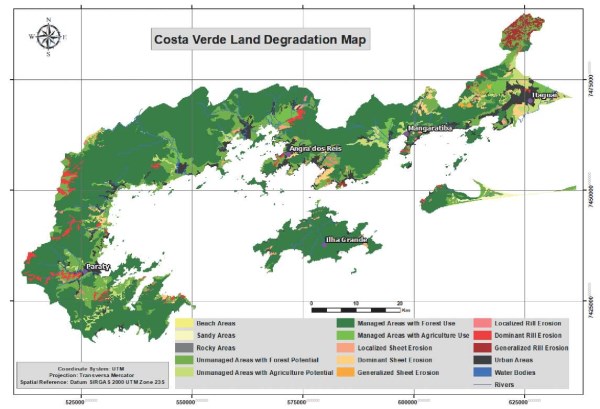
This study evaluates land degradation risk in Brazil’s Costa Verde by adapting the United Nations Environment Program, Priority Actions Program Regional Activity Centre (PAP/RAC) methodology for the first time to a humid tropical coastal environment. Unlike previous applications confined to semi-arid and Mediterranean contexts, this research integrates the PAP/RAC framework with 40 years of multi-source remote sensing data (Landsat 5/8/9; 1985–2025), land use/land cover change detection, and Mann–Kendall trend analysis, a hybrid approach that has not previously been applied in this biome. The results reveal that while 87.37% of the region remains stable, 6.24% faces active degradation from sheet and rill erosion, primarily concentrated on steep coastal slopes and expanding urban-fringe zones. Land use/land cover analysis documented a 254.17% urban expansion (+58.01 km²) since 1985, coinciding with significant losses in sensitive ecosystems, including wetlands (-47.79%) and wooded sandbank vegetation (-18.40%). To validate these dynamics, a Mann–Kendall test confirmed a statistically significant increasing trend in minimum vegetation cover (p<0.01), suggesting a long-term improvement in the minimum vegetation baseline despite localized anthropogenic pressures. A multi-criteria prioritization procedure identified 58.19 km² for immediate curative intervention and 150.74 km² for preventive protection. By bridging the PAP/RAC framework with statistical trend analysis and spatial planning, this study provides a replicable framework for erosion risk assessment in urbanizing tropical zones, offering spatial outputs that directly support the Brazilian Forest Code and municipal master plans.

Mangrove ecosystems play a critical role in coastal resilience and long-term carbon storage, yet their spatiotemporal dynamics in small island systems remain poorly understood. This study analyzes mangrove land-cover change from 2000 to 2022 across four major islands in the Karimunjawa Archipelago (Karimunjawa, Kemujan, Parang, and Nyamuk) and projects future trends to 2042. Using multi-temporal satellite imagery and carbon stock–based estimates of CO₂ emissions resulting from mangrove land-cover change, the results reveal heterogeneous trajectories of degradation and recovery. Estimated CO₂ emissions were calculated by multiplying the change in carbon stock, the molecular weight conversion factor from carbon (12/44), and the area of mangrove land-cover change (ha). In 2015, Karimunjawa and Kemujan maintain the largest mangrove extents but are also associated with the highest estimated CO₂ emissions, reaching 273,899.30 t CO₂ ha-¹ as a consequence of land-use conversion, whereas Nyamuk exhibits relatively stable dynamics with localized carbon stock loss corresponding to estimated CO₂ emissions of up to 1,037.13 t CO₂ ha-¹, and Parang shows persistent decline with estimated CO₂ emissions of up to 587.97 t CO₂ ha-¹. Future projections indicate increasing carbon stock loss and associated estimated CO₂ emissions toward 2042, particularly on Kemujan, Nyamuk, and Parang, reaching 574,188.40, 2,551.95, and 1,953.84 t CO₂ ha-¹, respectively, highlighting growing risks to coastal ecosystem integrity and climate change mitigation efforts. These findings underscore the influence of geomorphology, anthropogenic pressure, and governance in shaping mangrove dynamics on small islands. Integrated, site-specific, and adaptive management strategies are therefore essential to conserve mangrove carbon stocks, minimize carbon losses associated with land-cover change, and strengthen coastal resilience in the Karimunjawa Archipelago.

In the context of modern agricultural land management systems, precision agriculture is becoming increasingly relevant. Remote sensing is one of the most promising sources of operational crop information. Nevertheless, despite the growing interest, there is still a lack of research to make the transition from theoretical knowledge to the precise practical application of fungicides. This study evaluates whether integrating satellite remote sensing with ground-based spectrometry can reliably predict early-stage development of the pathogenic background in winter wheat, including overall disease pressure and specific pathogens, under real field conditions in both conventional tillage and no-till systems, with the goal of supporting precision farming applications. The experiment was conducted in the experimental fields of the research institute in Krasnodar Krai, Russia. Test plots were created with different methods of pre-sowing soil cultivation (conventional tillage and no-till farming), as well as with an artificial infectious background and disease-free control plots. The study used data from ground-based spectrometry and space imaging by the Planet Scope satellite constellation. The results indicate that spectral data are correlated with pathogen dynamics and allow predicting disease manifestation. Prediction accuracy is likely to improve with denser observations and more reliable input data. The most informative spectral ranges for detecting diseases were 443, 490 and 865 nm. This study describes a methodology for predicting winter wheat diseases and highlights the potential of using spectral data for precision agriculture.

Wild indigenous vegetables are underrecognized components of traditional food systems that may contribute to agrobiodiversity, dietary diversification, and food-system resilience. This study synthesized global ethnobotanical evidence on wild indigenous vegetables, focusing on diversity, geographic distribution, edible plant parts, preparation methods, and medicinal relevance. A systematic search of Scopus was conducted for English-language peer-reviewed articles published from 2006 to 2026. Following PRISMA-based screening, 90 studies were included, and extracted data were standardized taxonomically and analytically. The final dataset comprised 1,878 unique species. The highest documented richness occurred in China, India, Turkey, Pakistan, Bosnia and Herzegovina, and Croatia. Asteraceae was the dominant family, followed by Fabaceae, Brassicaceae, Lamiaceae, Apiaceae, Polygonaceae, Poaceae, and Amaranthaceae. Wild vegetable use was dominated by multiple plant parts, leaves, and shoots/stems, while cooking as vegetables was the most common preparation method, followed by raw/fresh consumption, soups/stew, and stir-frying/frying. Food-only use accounted for 77.6% of species, whereas 22.4% had both food and medicinal uses. Gastrointestinal applications were the most frequently specified medicinal category. These findings show that wild indigenous vegetables represent a diverse, multifunctional, and culturally important pool of underutilized food resources requiring further nutritional, phytochemical, ecological, and conservation-based research.
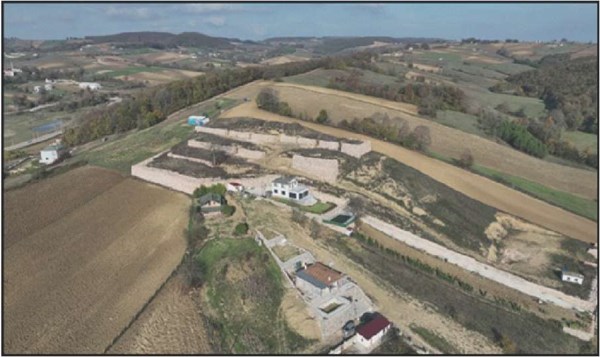
The protection of agricultural lands is crucial for maintaining food security and environmental sustainability, especially in regions undergoing rapid urbanization. This study examines temporal land use changes in the Tahtalı Neighborhood of Derince District, Kocaeli Province, between 2014 and 2024. Three zones along the lakeshore, identified as highly attractive for human activity, were selected as study plots. High-resolution satellite images, orthophotos, and drone data were processed using the MeanShift segmentation method and classified with the Support Vector Machine algorithm to differentiate built-up areas from agricultural lands. Training samples were prepared based on spectral, textural, shape, and contextual features to ensure high classification accuracy. The classification performance was evaluated using confusion matrices, yielding overall accuracies ranging from 0.90 to 0.97 and Kappa coefficients between 0.72 and 0.93 across the study zones and years. The results indicate a substantial decline in agricultural lands due to urban expansion, temporary structures, and stone wall constructions, reflecting the increasing pressure of urbanization on rural landscapes. The integration of highresolution drone data with machine learning classification effectively captured both fine-scale and broader land use patterns, offering a robust framework for monitoring spatial and temporal land use dynamics. These findings support informed land management decisions and emphasize the importance of sustainable land use policies in rapidly developing peri-urban regions.
News
2024-03-07
The GES journal has been ranked as Q1 in the "White list" of peer-reviewed scientific journals
The "white list" is a compilation of scientific journals to be used for evaluating the performance of scientific organizations based on formal criteria. This list includes publications that have been indexed in Web of Science, Scopus, or the Russian Science Citation Index by the middle of the year. It includes 30040 Russian and international scientific journals. The list is published on the special information site of the RCSI.
2024-03-07
THE MOST CITED PAPER 2022

We are pleased to announce that the most cited paper of 2022 in the GES journal is "Mapping Ecosystem Services of Forest Stands: Case Study of Maamora, Morocco", authors Abdelkader Benabou, Said Moukrim, Said Laaribya, Abderrahman Aafi, Aissa Chkhichekh, Tayeb El Maadidi, Ahmed El Aboudi. The paper gained 5 citations according to Scopus database. We cordially wish the authors further scientific success and fruitful collaboration with the GES journal!
2022-12-22
THE MOST CITED PAPER 2021
We are pleased to announce that the most cited paper of 2021 in the GES journal is "Monitoring Land Use And Land Cover Changes Using Geospatial Techniques, A Case Study Of Fateh Jang, Attock, Pakistan" by Aqil Tariq et al. Congratulations!

| More News... |

ISSN 2542-1565 (Online)





